
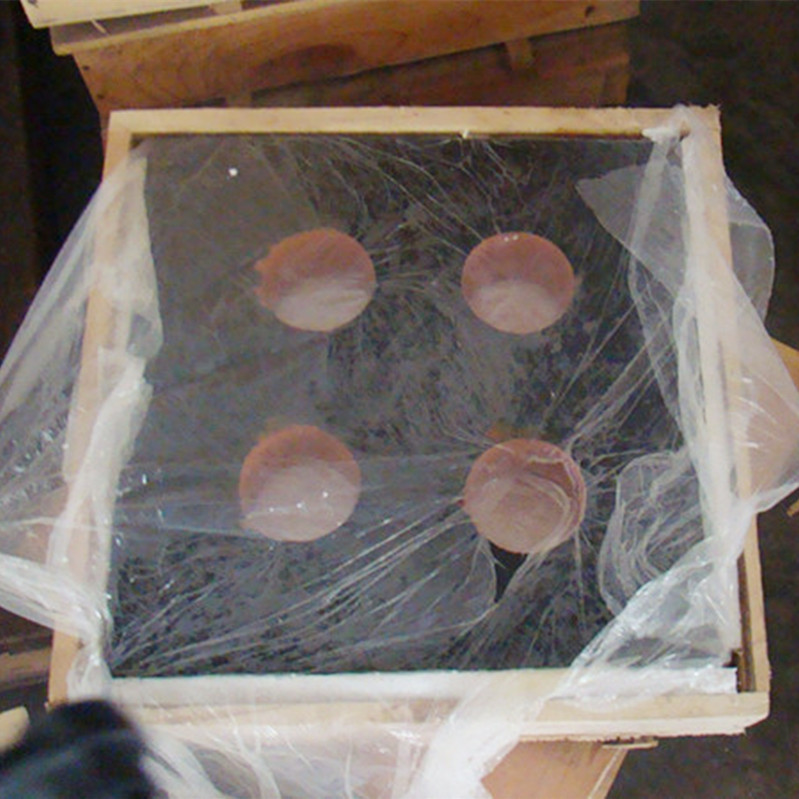
bronze reflective glass window
Understanding the M6 Thread Gauge A Comprehensive Guide In the world of engineering and manufacturing, precision is paramount. One of the essential tools that ensure this precision is the thread gauge. Among various thread sizes, the M6 thread gauge plays a pivotal role, particularly in metric systems used across different industries. This article will delve into the specifications, importance, and applications of the M6 thread gauge. What is an M6 Thread Gauge? The M6 thread gauge is designed to measure the pitch and diameter of M6 threads, which are a part of the metric screw thread system. The designation M6 indicates a screw with a nominal diameter of 6 millimeters, while the in the name simply refers to how space is often represented in URL encoding, suggesting that users may encounter this term within digital formats or databases. The M6 thread has a standard pitch of 1.0 mm, meaning that the distance between two adjacent threads is 1.0 mm. This pitch size is crucial for ensuring compatibility and proper assembly between threaded components, such as bolts and nuts. The M6 thread gauge itself is typically made of high-quality steel and is precisely manufactured to allow for accurate measurements. Why is the M6 Thread Gauge Important? 1. Precision Measurement The M6 thread gauge allows engineers and technicians to verify the dimensions of threaded parts. This precision ensures that components can fit together correctly, reducing the likelihood of mechanical failures caused by poorly matched threads. 2. Quality Control In manufacturing, adherence to specifications is essential for quality assurance. The M6 thread gauge is a vital tool in the quality control process, enabling production teams to measure and verify thread dimensions, ensuring that all parts meet required standards. m6 thread gauge 3. Standardization As industries increasingly move towards international standards, the M6 thread gauge is crucial in maintaining uniformity. Different regions may have variations in thread dimensions, but using standardized gauges helps ensure mutual compatibility across borders. Applications of the M6 Thread Gauge The M6 thread gauge finds its application in various sectors, including - Automotive Industry The automotive sector extensively uses M6 threads in assembling different components, such as engines and chassis parts. Proper measurement and quality control are vital for safety and performance. - Manufacturing and Assembly In manufacturing settings, M6 threads are commonly found in machinery and assembly lines. The M6 thread gauge ensures that all components fit together reliably, streamlining the assembly process. - DIY Projects Hobbyists and DIY enthusiasts who engage in woodworking, metalworking, or various crafting projects often utilize M6 screws and nuts. Having an M6 thread gauge on hand helps them measure and select the right fasteners for their projects. Conclusion In conclusion, the M6 thread gauge is an indispensable tool for ensuring the accuracy and reliability of threaded components in various industries. By allowing for precise measurement of M6 threads, it plays a significant role in quality control and standardization. Whether in automotive manufacturing, industrial assembly, or personal DIY projects, the importance of the M6 thread gauge cannot be overstated. Investing in a quality thread gauge is essential for anyone involved in work that requires threaded fasteners, ensuring that the final products are safe, effective, and durable.
about
bronze reflective glass window
Gauge a Brugere Plug Gauge e Ring Gauge Il controllo dimensionale è un aspetto fondamentale in molti settori industriali, specialmente nella lavorazione dei metalli e nella produzione di componenti meccanici. Tra gli strumenti utilizzati per garantire la precisione delle dimensioni ci sono i gauge, in particolare il plug gauge e il ring gauge. Questi strumenti svolgono un ruolo cruciale nel garantire che le parti prodotti rispettino le tolleranze specificate nel progetto. Cosa Sono i Plug Gauge e i Ring Gauge Il plug gauge è uno strumento di misura utilizzato principalmente per controllare il diametro interno dei fori. Ha la forma cilindrica e viene progettato con tolleranze specifiche; il suo scopo principale è quello di verificare se un foro è entro le dimensioni tollerate. I plug gauge possono essere classificati in due tipi go (buono) e no-go (non buono). Il plug go deve passare facilmente attraverso il foro, mentre il no-go non deve passare. Questo sistema di verifica assicura che il foro non sia troppo grande o troppo piccolo rispetto alla dimensione desiderata. D'altra parte, il ring gauge è utilizzato per misurare il diametro esterno degli oggetti cilindrici, come alberi o perni. Anche in questo caso, il ring gauge è dotato di segni go e no-go. Un anello go dovrebbe calzare perfettamente attorno all'oggetto da misurare, mentre l'anello no-go non dovrebbe adattarsi. Questo strumento è essenziale per garantire che le parti siano compatibili tra loro, specialmente in applicazioni dove il montaggio e l'accoppiamento sono critici. Importanza nei Processi Produttivi plug gauge and ring gauge L'utilizzo di plug e ring gauges è fondamentale in contesti produttivi dove la precisione è di vitale importanza. Ad esempio, nei settori automotive e aerospaziale, dove anche la minima deviazione dimensionale può portare a fallimenti catastrofici, l'uso di questi strumenti di verifica è non solo raccomandato, ma spesso necessario per il collaudo finale delle parti prodotte. In aggiunta, l'uso di gauges aiuta a ridurre i costi di produzione. Infatti, identificando rapidamente le parti non conformi, gli operatori possono intervenire tempestivamente nel processo produttivo, evitando di creare un numero elevato di componenti difettosi. Questo approccio non solo migliora l'efficienza produttiva, ma contribuisce anche a mantenere alta la qualità del prodotto finale. Materiali e Manutenzione I plug e ring gauges sono generalmente realizzati in acciaio di alta qualità per resistere all'usura e garantire durevolezza. Tuttavia, anche i migliori strumenti di misura possono perdere precisione nel tempo a causa di fattori come l'usura, la corrosione o danni accidentali. Per questo motivo, è fondamentale seguire un programma di manutenzione regolare, che comprenda la calibrazione e l'ispezione periodica degli strumenti. Conclusione In sintesi, i plug e i ring gauges rivestono un'importanza critica nella misurazione dimensionale e nel controllo della qualità nelle industrie manifatturiere. Questi strumenti non solo aiutano a garantire che i prodotti rispettino le specifiche tecniche, ma contribuiscono anche a ottimizzare i processi produttivi, riducendo gli sprechi e aumentando la soddisfazione del cliente. Con l'evoluzione della tecnologia e della progettazione, il futuro della misura dimensionale sembra promuovere strumenti sempre più precisi e innovativi, ponendo una crescente enfasi sull'importanza della qualità e della precisione nei processi industriali.
-

High quality industrial productsagement

High quality industrial products
View Details -

Meet the diverse needs of customers

Meet the diverse needs of customers
View Details -

Strict quality control

Strict quality control
View Details -

Top raw materials

Top raw materials
View Details -

Trusted supplier

Trusted supplier
View Details
Our application
news and information
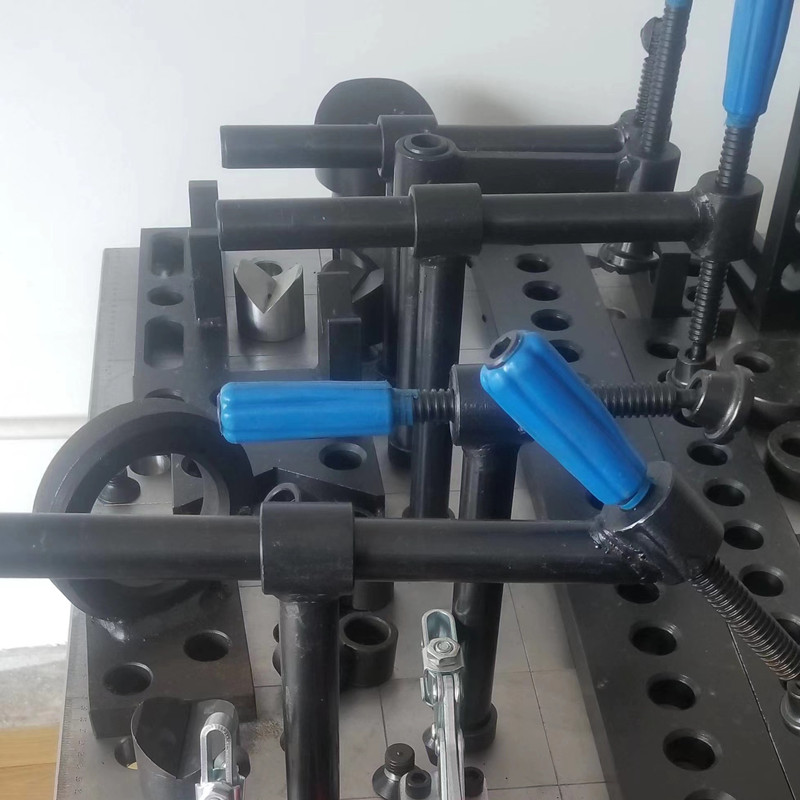
Versatile 3x6 Welding Table for Efficient Metalwork and Fabrication Projects
The Essential Guide to 3x6 Welding Tables Boosting Your Fabrication Skills Welding is an art and a s

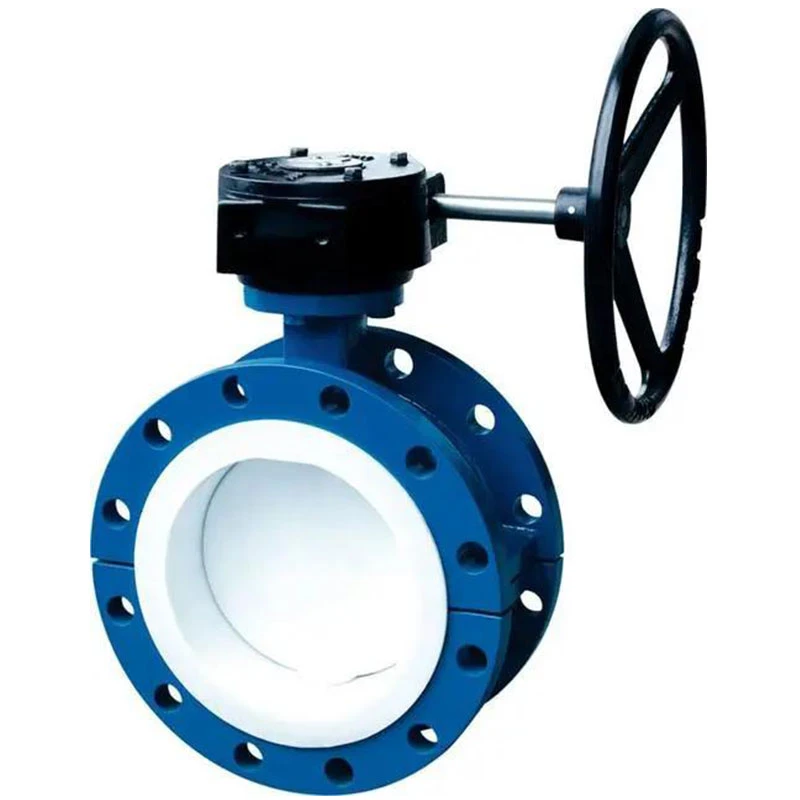
What is the Difference Between Butterfly Valve and Gate Valve
Butterfly valves and gate valves have significant differences in multiple aspects, mainly reflected
Välineet tarkkuusmittaamiseen syvyysmittari 18-35 mm halkaisijalle
Dial bore gauge on yksi tärkeimmistä työkaluista tarkkuusmittauksessa teollisuudessa, erityisesti ku
 English